
Enhancing Interior Design with Strategic Lighting Choices
- Patrick Mwiandi
- Jan 20
- 3 min read
By Esther W. Watene, Head of Interior Design, Tech Home EA Ltd.
Lighting shapes how we experience a space. It influences mood, highlights design elements, and even affects how colours and textures appear. Using lighting thoughtfully in interior design transforms ordinary rooms into inviting, functional, and visually appealing environments. This post explores practical ways to use lighting as a key factor in interior design, offering examples and tips to help you create spaces that feel both comfortable and stylish.

Understanding the Role of Lighting in Interior Design
Lighting does more than illuminate a room. It sets the tone and guides the eye to important features. When used strategically, lighting can:
Enhance architectural details such as textured walls or ceiling mouldings
Create zones within open-plan spaces for different activities
Influence mood by adjusting brightness and colour temperature
Improve functionality by providing task lighting where needed
Different types of lighting work together to achieve these effects:
Ambient lighting provides overall illumination
Task lighting focuses on specific activities like reading or cooking
Accent lighting highlights artwork, plants, or design features
Balancing these layers creates a dynamic and adaptable space.
Choosing the Right Lighting for Each Room
Each room has unique lighting needs based on its purpose and design style. Here are some examples:
Living Room
The living room often serves multiple functions: relaxing, entertaining, and sometimes working. Use a mix of ambient lighting, like ceiling fixtures or wall sconces, combined with task lighting such as table lamps near seating areas. Accent lighting can draw attention to a fireplace, artwork, or a statement piece of furniture.
Kitchen
Kitchens require bright, clear lighting for safety and efficiency. Overhead ambient lighting paired with under-cabinet task lights ensures countertops are well-lit. Pendant lights over an island add style and focused illumination.
Bedroom
Soft, warm lighting creates a cosy atmosphere in bedrooms. Use dimmable ceiling lights or wall sconces for ambient light, and bedside lamps for reading. Consider lighting with adjustable colour temperature to support relaxation.
Bathroom
Bathrooms benefit from bright, shadow-free lighting around mirrors for grooming tasks. Combine overhead lights with wall-mounted fixtures on either side of the mirror to reduce shadows on the face.
Using Colour Temperature to Influence Mood
Colour temperature, measured in Kelvins (K), affects how warm or cool a space feels:
Warm light (2700K–3000K) creates a cosy, inviting atmosphere
Neutral light (3500K–4100K) feels balanced and natural
Cool light (5000K–6500K) mimics daylight and promotes alertness
For example, warm lighting suits living rooms and bedrooms, while cooler lighting works well in kitchens and bathrooms where clarity is important.
Highlighting Design Features with Accent Lighting
Accent lighting draws attention to specific elements, adding depth and interest. Use adjustable spotlights or LED strips to illuminate:
Artwork or photographs
Textured walls or architectural niches
Indoor plants or sculptures
This technique adds layers to the design and creates focal points that enhance the room’s character.

Practical Tips for Effective Lighting Design
Use dimmers to control brightness and adapt lighting to different times of day or activities.
Layer lighting by combining ambient, task, and accent sources for flexibility.
Consider fixture style as part of the decor. Lighting fixtures can be design statements themselves.
Maximise natural light during the day with window treatments that allow light in while maintaining privacy.
Plan lighting early in the design process to avoid costly changes later.
Energy Efficiency and Smart Lighting
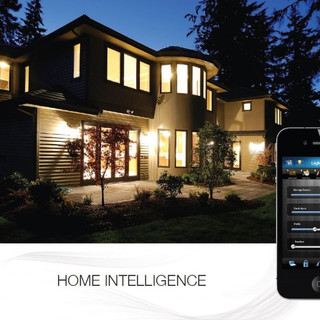
Modern lighting options include energy-efficient LED bulbs and smart controls. LEDs use less energy and last longer than traditional bulbs. Smart lighting systems allow you to adjust brightness, colour, and schedules from your phone or voice assistant, improving convenience and reducing energy waste.

Bringing It All Together
Lighting is a powerful design tool that shapes how a space feels and functions by influencing mood, highlighting architectural features, and enhancing colours and textures. Effective interior lighting blends ambient, task, and accent layers to create adaptable, visually engaging rooms tailored to each area’s purpose—bright, clear lighting for kitchens and bathrooms; warm, dimmable options for bedrooms; and mixed layers for multifunctional living rooms. Colour temperature also plays a key role, with warm tones creating cosiness and cooler tones supporting clarity and alertness. Accent lighting adds depth by drawing attention to artwork, textured walls, or plants, while thoughtful planning, dimmers, natural light, and stylish fixtures elevate both aesthetics and practicality. Modern LED and smart lighting systems further improve energy efficiency and convenience, making lighting an essential element of comfortable, stylish interior design.
Start Here www.techhome.co.ke home@techhome.co.ke +254 742 411 199


Comments