
Embracing Modern Housing Technology for Better Living
- Patrick Mwiandi
- Dec 22, 2025
- 4 min read
Updated: Jan 2
Modern housing technology offers practical ways to improve daily life. It helps reduce energy costs, enhances security, and increases convenience. For example, smart thermostats learn your schedule and adjust temperatures automatically. This means you save money on heating and cooling without lifting a finger.
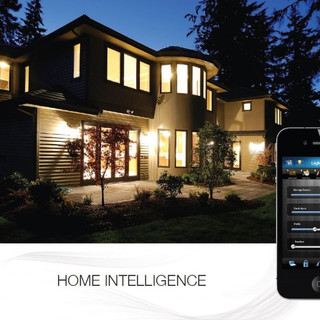
Lighting systems can also be automated. Imagine lights that turn on when you enter a room and switch off when you leave. This simple feature cuts down on wasted electricity and adds a layer of convenience. Many of these systems can be controlled remotely via smartphones, so you can manage your home even when you are away.
Another exciting development is water management technology. Smart irrigation systems monitor soil moisture and weather forecasts to water gardens only when necessary. This is especially useful in regions where water conservation is critical.

Energy Efficiency and Sustainability in Housing
One of the biggest challenges in housing today is energy consumption. Traditional homes often waste energy through poor insulation, outdated appliances, and inefficient lighting. Modern housing technology addresses these issues head-on.
Solar panels are becoming more affordable and accessible in East and Central Africa. They provide clean, renewable energy that reduces reliance on the grid. Pairing solar power with battery storage means homes can store excess energy for use at night or during outages.
Insulation materials have also improved. New options like spray foam and reflective barriers keep homes cooler in hot climates and warmer in cooler seasons. This reduces the need for air conditioning and heating, saving money and lowering carbon footprints.
Smart meters give homeowners real-time data on their energy use. This information helps identify wasteful habits and encourages more mindful consumption. Some systems even suggest ways to save energy based on your usage patterns.
Integrating Security and Safety Features
Safety is a top priority for any home or business. Modern housing technology offers advanced security solutions that go beyond traditional locks and alarms.
Video doorbells with two-way audio let you see and speak to visitors from anywhere. Motion sensors can trigger lights or alarms if unexpected movement is detected. Some systems use facial recognition to allow entry only to authorized individuals.
Fire and carbon monoxide detectors are now smarter too. They can send alerts to your phone and even contact emergency services automatically. This rapid response can save lives and property.
For businesses and institutions, access control systems provide secure entry management. These systems can track who enters and exits, schedule access times, and integrate with other security measures.

How to Choose the Right Technology for Your Home or Business
With so many options available, selecting the right modern housing technology can feel overwhelming. Here are some tips to help you make informed decisions:
Assess Your Needs - Identify what matters most. Is it energy savings, security, convenience, or all of these?
Start Small - Begin with a few key devices like smart lighting or a security camera. You can expand later as you get comfortable.
Consider Compatibility - Choose products that work well together and can be controlled from a single app.
Look for Local Support - Work with providers who understand the regional climate, infrastructure, and regulations.
Plan for Future Growth - Opt for scalable systems that allow easy upgrades and additions.
By following these steps, you can build a smart home or business that fits your lifestyle and budget.
The Future of Housing Technology in East and Central Africa
The future looks bright for modern housing technology in this region. As internet access improves and costs come down, more people will benefit from these innovations. Companies like Tech Home are leading the way by offering smart, sustainable building and home automation solutions tailored to local needs.
One exciting trend is the integration of renewable energy with smart grids. This allows communities to share power efficiently and reduce outages. Another is the use of artificial intelligence to optimize home systems automatically.
Education and awareness will play a big role in adoption. The more people understand the benefits and ease of use, the faster these technologies will spread.
If you want to explore how these advances can improve your property, consider reaching out to experts who specialize in Smart Housing Solutions. They can guide you through the process and help you create a home or business that is safe, efficient, and future-ready.
Taking the First Step Toward a Smarter Home
Adopting modern housing technology is not just about gadgets. It’s about creating a better living environment that saves money, protects your family or assets, and respects the planet. Start by identifying one or two areas where technology can make a difference. Whether it’s installing solar panels, upgrading your security system, or automating your lighting, every step counts.
Remember, the goal is to make your home or business work smarter for you. With the right approach, you can enjoy the benefits of innovation without complexity. The future of housing is here, and it’s more accessible than ever before.
Conclusion
In conclusion, embracing modern housing technology is essential for improving our living spaces. It enhances comfort, security, and efficiency while promoting sustainability. As we move forward, the integration of these technologies will only grow. By staying informed and proactive, we can create homes and businesses that are not only smarter but also contribute positively to our environment. Let's take the first step together and make our spaces work for us.


Comments